Style Journal
A Seasonal Style Edit for a Minimal Wardrobe
An editorial seasonal edit built around rotation and care rather than new purchases — what to bring forward, what to store and what to leave out.
A seasonal edit is not a shopping list. It is a rotation: bringing forward what the weather asks for, storing what it does not, and noticing what you never wear at all.
This is an editorial observation from our own wardrobe work, not a forecast or a trend report. It assumes a temperate four-season climate; adjust the sequence to where you live.
Begin with what is already in front of you
Before changing anything, wear the current season for two weeks without buying. Note the pieces you reach for and the moments where you are uncomfortable. Those notes are more useful than any generic seasonal checklist.
Most gaps turn out to be small: a layer for cold mornings, a shoe that works in rain, a shirt that can be worn open. Filling a specific gap beats rebuilding a wardrobe.
Rotate, do not accumulate
Put away what the next season will not use, clean and folded, with a note of anything that needs repair. Clothes stored well come back usable. Clothes left at the front of a crowded rail get worn badly or not at all.
Bring forward last season's pieces one at a time and check them: a stain that sets, a hem that has come down, a knit that has lost its shape. A seasonal edit is the cheapest time to fix these.
Build a small transitional set
The awkward weeks — warm days, cold mornings — are where minimal wardrobes struggle. Three pieces cover most of it:
- A fine knit that layers under a jacket but works alone.
- An unlined jacket in a mid-weight fabric.
- A trouser in a fabric that does not feel heavy or too thin.
Colour does the rest. Keeping the transitional set within your usual palette means it combines with everything already there.
Let the edit change your view
A seasonal rotation often reveals that a piece you disliked in June works well in October, or that something you bought for a season never fits any of them. Both are useful findings. Keep the first, learn from the second.
For the thinking behind a slower approach to fashion, read the Style Journal or start with How to Discover Your Personal Style.
Read next
Guides that share this one’s wardrobe logic.
Personal Style Stories What Real Wardrobes Reveal
An editorial look at the patterns that appear when people describe their own wardrobes — repetition, constraint and the pieces that stay.
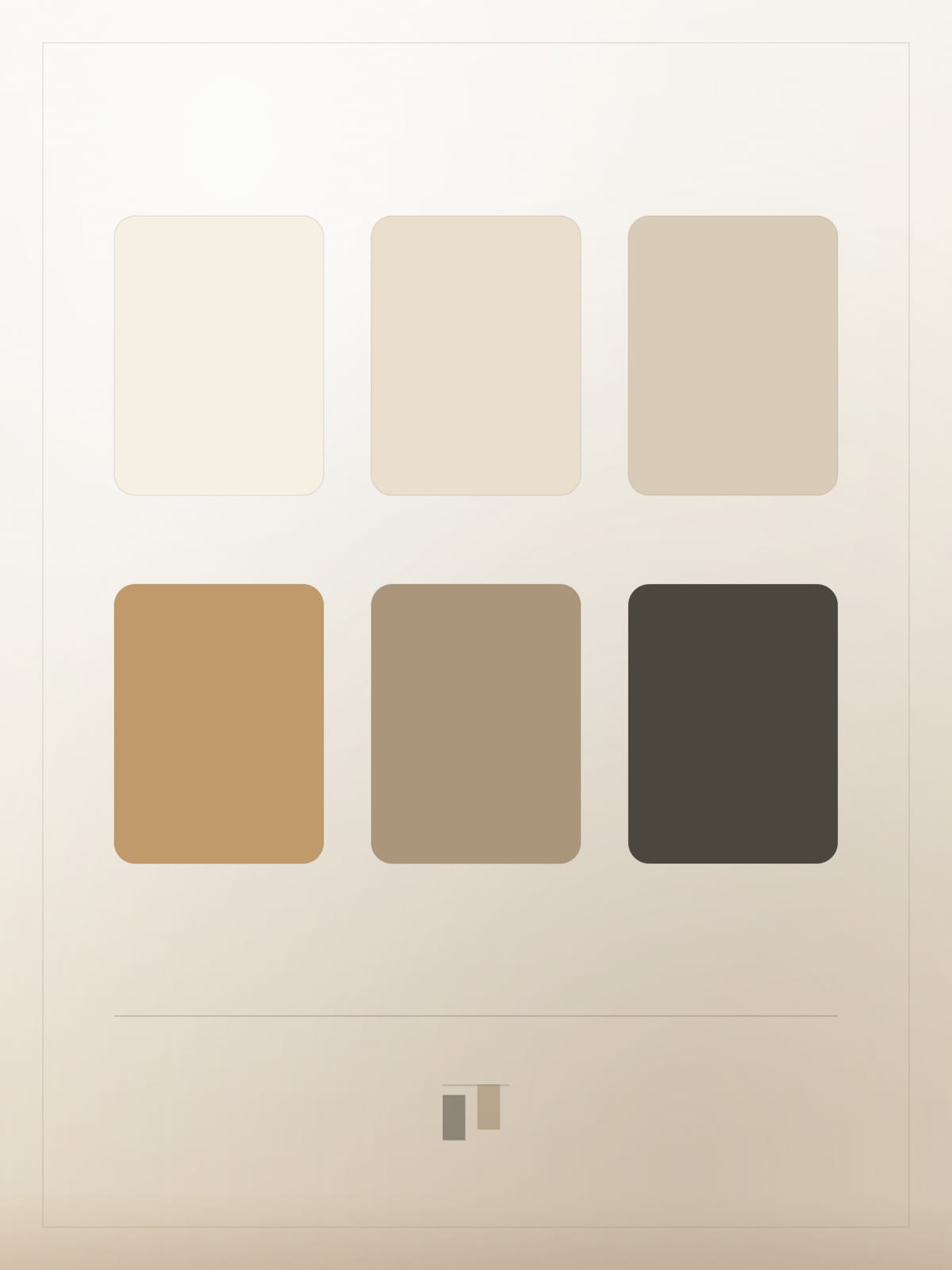
Color Coordination for a Minimal Wardrobe
A simple system for combining colours in a small wardrobe — one base, one neutral family, one point of contrast, with practical combinations.
Occasion Styling Without a Separate Wardrobe
How to dress for work, weekends and evenings from one small wardrobe using layers, fabric and a few finish pieces instead of separate outfits.