Thoughtful Styling
Color Coordination for a Minimal Wardrobe
A simple system for combining colours in a small wardrobe — one base, one neutral family, one point of contrast, with practical combinations.
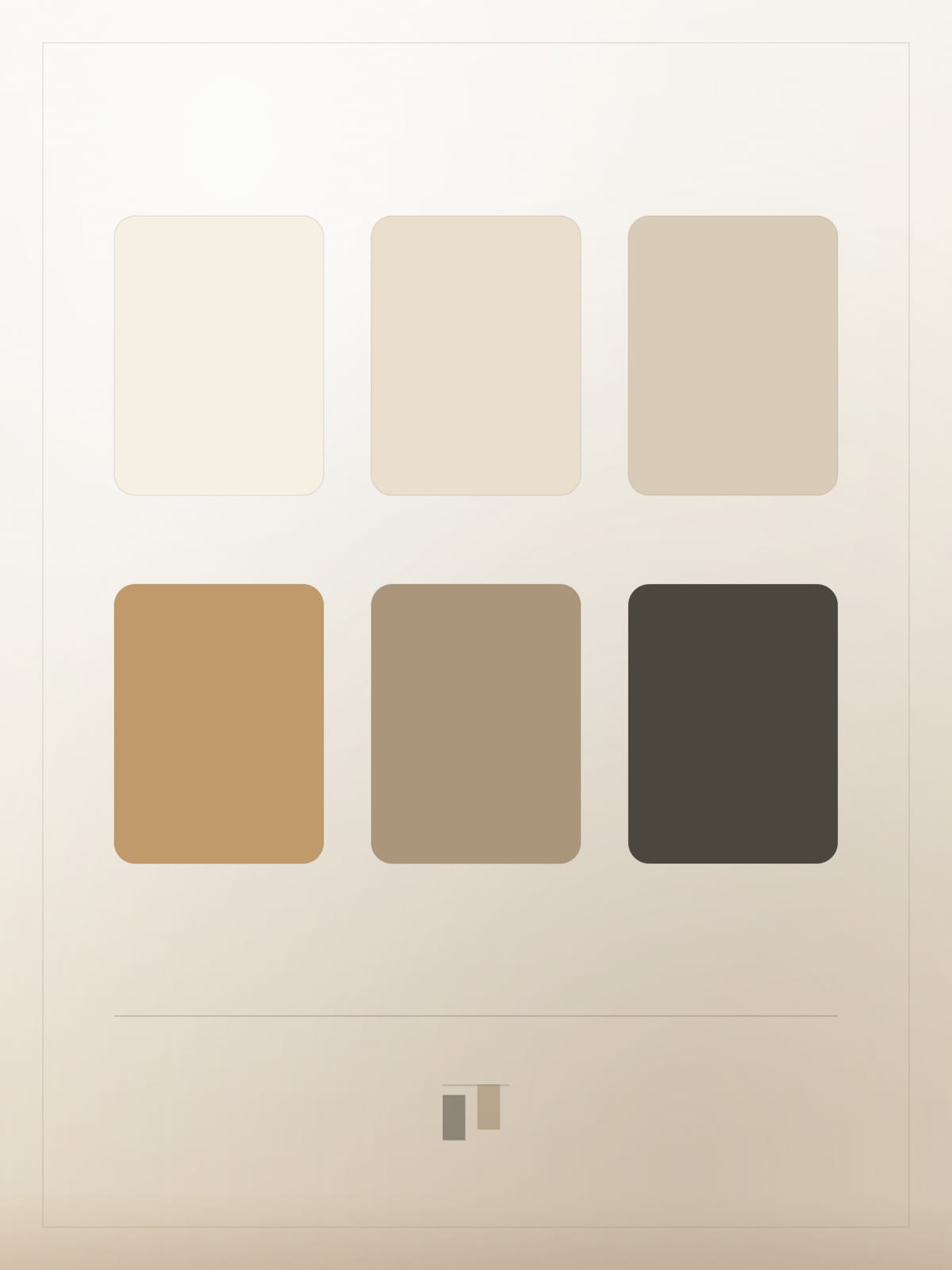
Colour coordination sounds like a rule about matching. In a small wardrobe it is really a rule about reducing decisions: when most pieces already agree, getting dressed takes minutes.
You do not need a colour wheel. You need a base, a neutral family and one point of contrast.
Choose one base
Your base is the colour that appears in most outfits — usually a light neutral such as cream, oat or stone, or a dark one such as charcoal or navy. Pick the one you actually like wearing near your face and that suits your climate and laundry routine.
Everything else in the wardrobe should work with that base. If two pieces cannot be worn with it, they are starting a second wardrobe.
Add a neutral family
Neutrals give you variety without noise. A warm family might be cream, oat, camel, taupe and chocolate. A cool family might be white, grey, charcoal and navy. Keeping most pieces within one family means almost any combination looks deliberate.
You can mix families — a cream knit with charcoal trousers is a classic contrast — but do it on purpose. The neutral family is a tool, not a restriction.
Use one point of contrast
One stronger colour per outfit is enough. It can be a scarf, a bag, a shoe or a shirt. Against a neutral base it reads as a decision rather than a pattern.
For a first palette, choose one accent you like and buy it in small pieces before committing to a coat. A colour you love in a scarf can feel loud in a full trouser.
Three combinations to try
- Cream shirt + stone trousers + camel shoes — warm, quiet, works across seasons.
- Oat knit + charcoal trousers + white sneakers — the warm/cool contrast, softened by the knit.
- White tee + navy blazer + tan leather bag — structured base with one warm point of interest.
Photograph these once in daylight. A phone camera is a useful check: if an outfit looks calm in a photo, it probably reads well in person.
Repeating is the point
A coordinated wardrobe repeats colours on purpose. Repetition is what makes a small set of clothes look like a style rather than a collection of separate outfits. When you buy something new, ask which three existing pieces it will work with. If the answer is none, leave it.
For a deeper look at how colour fits a personal look, read How to Discover Your Personal Style or take the free Find Your Style quiz.
Read next
Guides that share this one’s wardrobe logic.
Occasion Styling Without a Separate Wardrobe
How to dress for work, weekends and evenings from one small wardrobe using layers, fabric and a few finish pieces instead of separate outfits.
A Seasonal Style Edit for a Minimal Wardrobe
An editorial seasonal edit built around rotation and care rather than new purchases — what to bring forward, what to store and what to leave out.
How to Discover Your Personal Style
A practical method for finding a personal style you can actually wear — notice what you repeat, name it, and edit your wardrobe around it.